Streets of Pasta: Fast Fresh Pasta Meets Smart Ordering in Utrecht
02/06/26
4 min
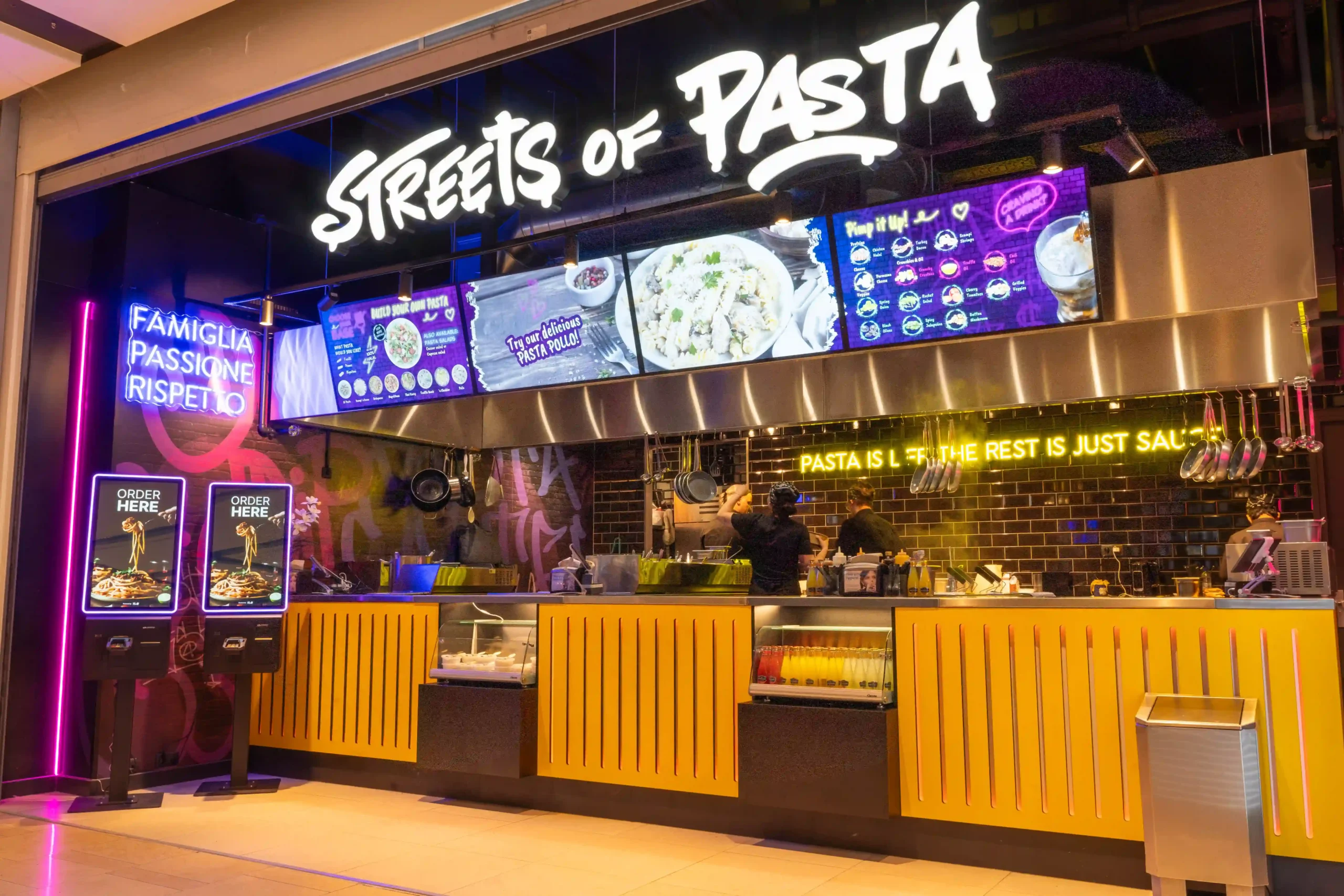
Located inside Hoog Catharijne in Utrecht, Streets of Pasta brings a modern fast casual twist to Italian comfort food. The concept focuses on freshly prepared pasta dishes, halal ingredients, live cooking, and quick service, creating a dining experience that fits perfectly within one of the busiest shopping destinations in the Netherlands.
From classic flavors like Napolitana and Carbonara to more unexpected combinations such as Korean BBQ pasta and Tikka Masala, Streets of Pasta combines traditional Italian influences with modern street food culture. The menu is designed to appeal to a broad audience looking for fast, flavorful meals without compromising on freshness or quality. Everything in the concept is designed around speed, accessibility, and consistency.
At Streets of Pasta, food preparation is part of the experience. Guests can watch fresh pasta being cooked live in front of them, with sizzling pans and rapid preparation that reflects the energy of Hoog Catharijne itself.
The open kitchen format creates transparency and engagement, allowing guests to see their meal being made while they wait. This reinforces trust in freshness and quality, even during peak hours.
Despite the focus on speed, consistency remains central. Every dish follows a structured workflow, ensuring that quality stays stable even when demand increases. This balance between speed and quality is what defines the fast dining experience at Streets of Pasta.
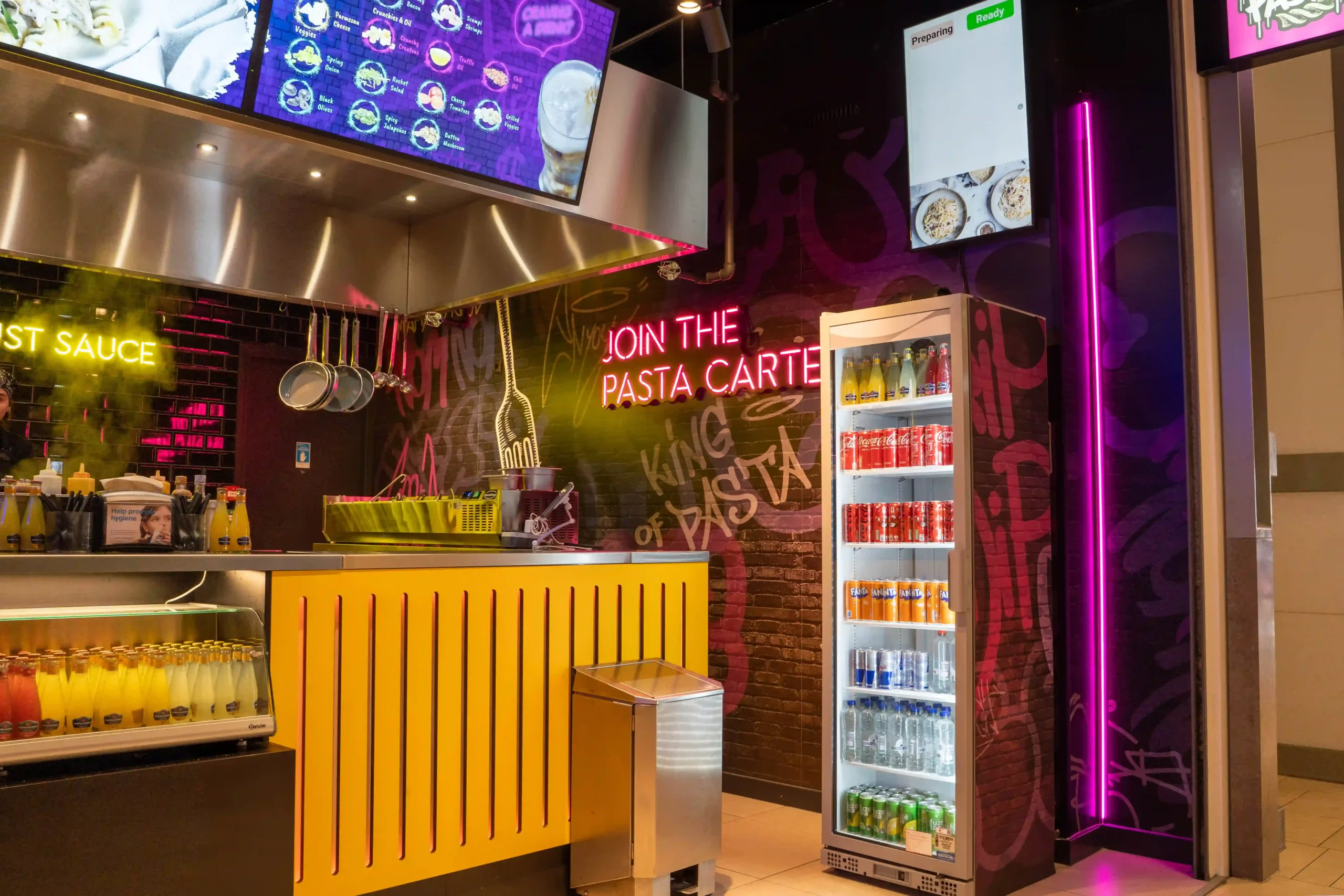
To support a fast and efficient ordering flow, Streets of Pasta uses self order kiosks throughout the restaurant. Guests can browse the menu at their own pace, customize their order, and pay directly through the kiosk without waiting in line. This creates a smoother flow during peak hours and reduces pressure on staff at the counter.
For a concept built around speed and convenience, self ordering fits naturally into the guest journey. Customers move through the ordering process quickly, while the team can stay focused on preparation and service quality. The kiosk setup also improves order accuracy. Because guests place their own orders directly into the system, the chance of communication errors is significantly reduced.
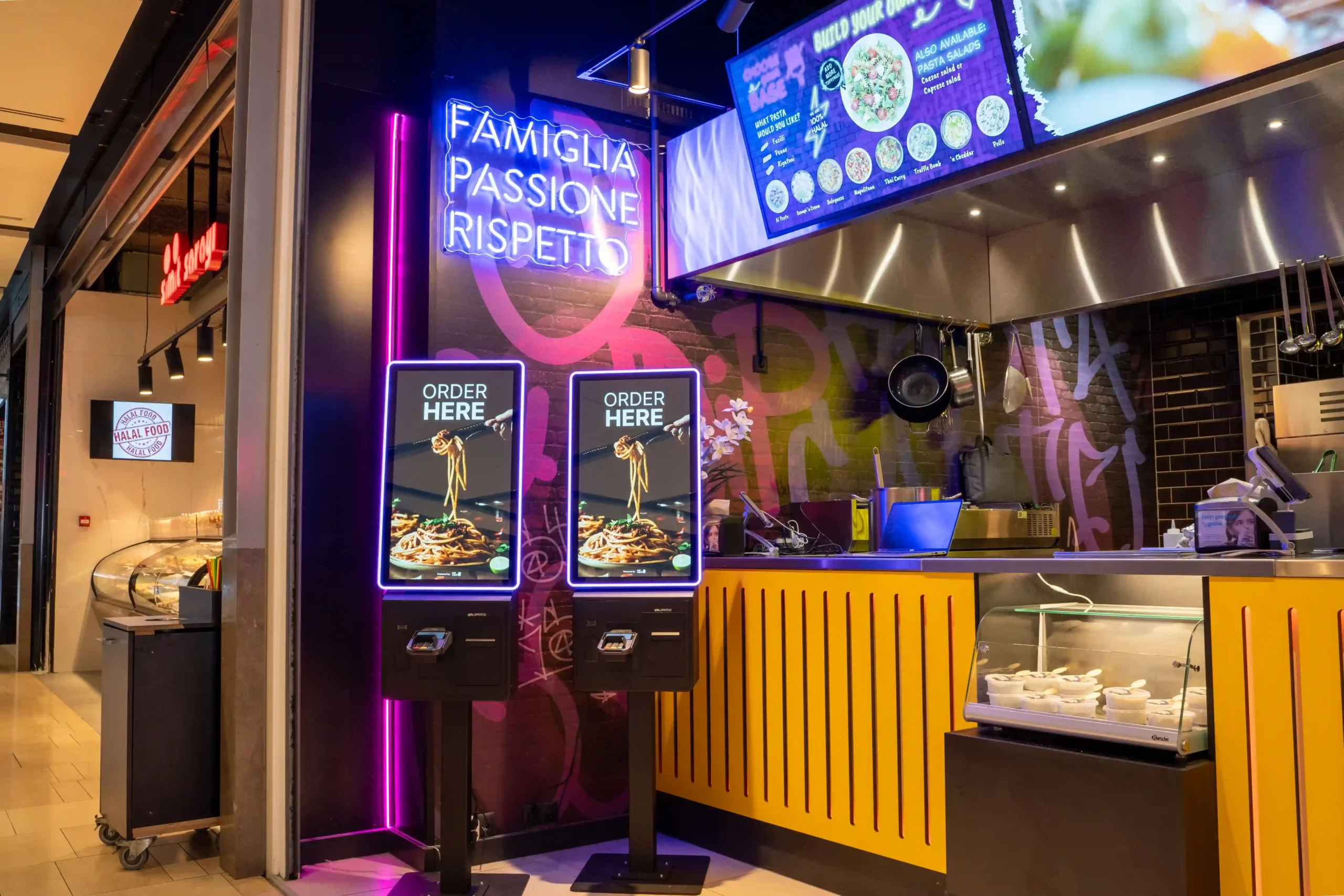
Behind the scenes, Streets of Pasta relies on a fully connected digital workflow powered by a Kitchen Display System (KDS) and Order Status Screens.
All orders placed through kiosks are sent instantly to the kitchen displays. Instead of paper tickets, the kitchen team works from a structured real time overview that shows exactly what needs to be prepared and when.
The Order Status Screens in the front of house complete this flow by giving guests real time visibility of their order progress. This reduces pressure on staff, minimizes questions at the counter, and creates a more transparent experience for guests.
Together, KDS and Order Status Screens create a single connected flow from order placement to pickup. This reduces errors, improves speed, and keeps operations stable even during peak traffic in Hoog Catharijne.
Streets of Pasta reflects a broader shift within hospitality toward concepts that combine speed, quality, and operational efficiency.
Guests increasingly expect quick service without sacrificing freshness or experience. By combining live cooking, halal comfort food, self order kiosks, and digital kitchen workflows, Streets of Pasta creates an experience that feels both modern and approachable.
The technology operates quietly in the background, allowing the team to focus on food quality and guest interaction while maintaining control over service flow.
For hospitality businesses looking to streamline operations in busy urban environments, Streets of Pasta demonstrates how smart ordering technology and kitchen efficiency can support a strong fast casual concept.