Why loyalty has become essential for restaurants
For restaurants, attracting a guest is only the first step. Long term growth comes from bringing guests back more often and increasing engagement over time. That is why loyalty has become an increasingly important part of modern restaurant operations. Not simply as a marketing tool, but as a way to build stronger guest relationships and increase repeat revenue.
Traditional stamp cards and isolated discount systems no longer match how restaurants operate today. Guests order through multiple channels, expect convenience, and interact digitally throughout the customer journey. Modern loyalty needs to be connected directly to the restaurant operation itself.
Why the integration between Eatcard and moolaah matters
The integration between Eatcard and moolaah is designed around exactly that principle.
Instead of operating as a separate loyalty platform disconnected from the restaurant workflow, moolaah integrates directly into the Eatcard ecosystem. This creates a much deeper connection between loyalty, ordering, and guest interaction.
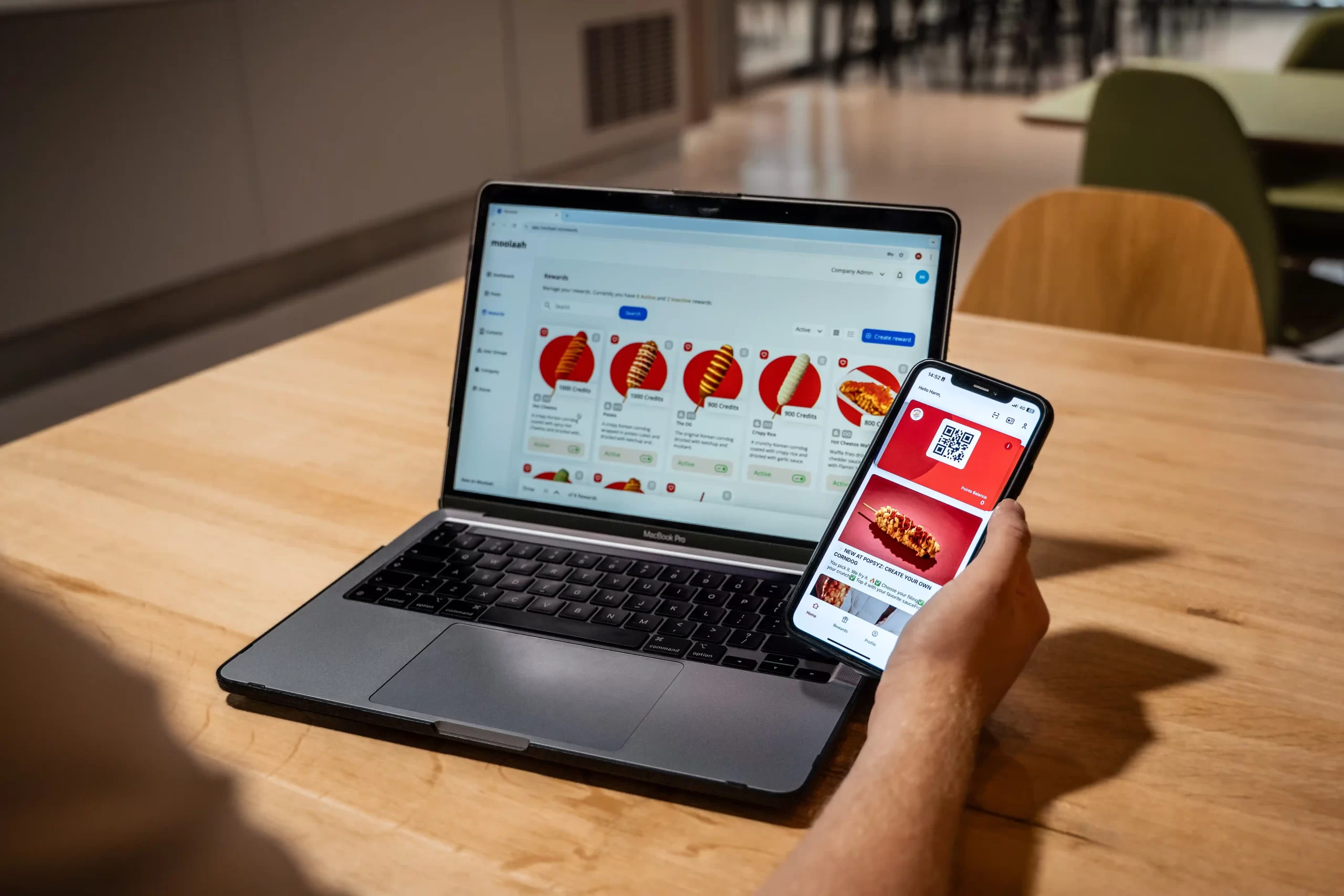
Loyalty activity becomes visible directly inside Eatcard, allowing restaurants to manage rewards and customer engagement from within the same operational environment they already use daily. This creates a smoother workflow for staff while making loyalty far more visible and actionable throughout the restaurant.
One of the biggest advantages of the integration is that loyalty is available across multiple Eatcard touchpoints. Whether guests order through the POS, Self Order Kiosk, or QR ordering flow, moolaah remains connected throughout the entire experience.
Rewards can be linked directly to products inside Eatcard, allowing restaurants to create more targeted reward structures based on actual menu items and guest behavior.
At the same time, loyalty activity becomes visible within the operational flow itself. Restaurants can see reward usage, scanned rewards, and how loyalty interacts with ordering behavior across different channels. Because everything operates within the same connected system, loyalty becomes part of the ordering process instead of an external step.
A seamless experience for guests
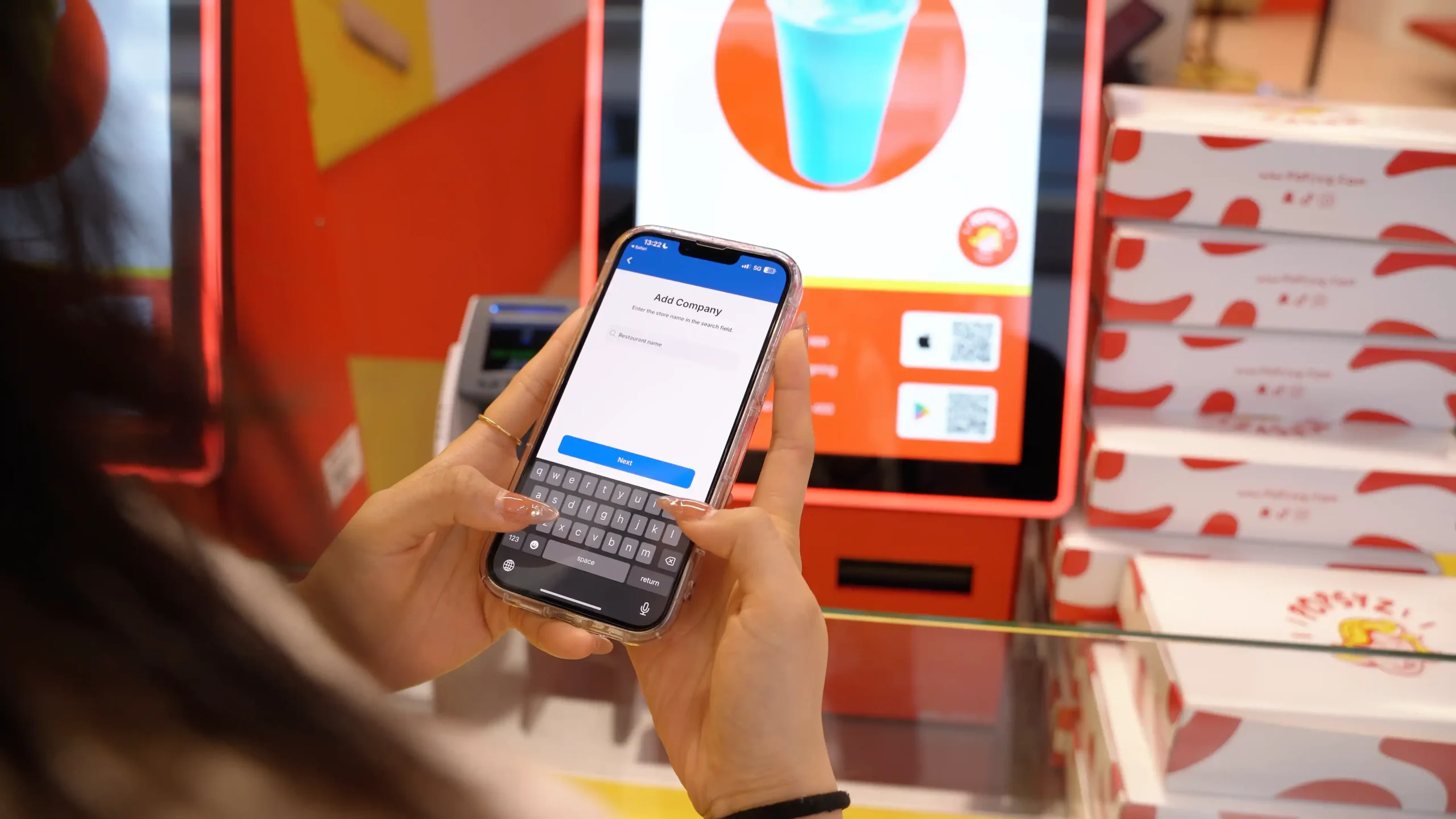
The integration is designed to keep the guest experience simple and frictionless. When a guest scans the moolaah app (on Android or iOS) at a Self order kiosk, the system can instantly recognize the user and display a personalized welcome message before ordering even begins. This creates a more personal interaction without slowing down the ordering process.
Guests also benefit from having one single loyalty app instead of separate apps for every restaurant. Within moolaah, consumers can store multiple loyalty cards in one place, making it easier to collect rewards across different restaurants without adding complexity. This lowers the barrier for loyalty participation and creates a more convenient experience overall.
More than points and discounts
Modern loyalty is no longer just about collecting points. Through moolaah, restaurants can work with rewards, personalized campaigns, and push notifications that help bring guests back more actively.
Because the platform is connected to real restaurant activity, loyalty becomes more dynamic and relevant to actual guest behavior. Instead of generic discounts, restaurants can build more engaging reward experiences that support retention without constantly reducing margins.
Connected loyalty creates better restaurant insights
Because moolaah is deeply integrated into Eatcard, loyalty data becomes part of the wider restaurant ecosystem. Restaurants gain visibility into how rewards influence ordering behavior, which channels generate repeat visits, and how guest engagement impacts revenue over time.
This creates a clearer understanding of customer retention and allows restaurants to make more informed decisions based on actual operational data rather than isolated loyalty statistics.
Loyalty as part of the restaurant ecosystem
The real strength of the integration lies in connection. Ordering, rewards, guest engagement, and operational visibility all work together within one connected environment.
Instead of treating loyalty as a separate marketing tool, the integration between Eatcard and moolaah makes loyalty part of the complete restaurant experience.
This helps restaurants create stronger guest relationships, improve retention, and build long term growth through a more connected hospitality operation.