The bestseller that earns you nothing
Your most popular dish leaves the kitchen every night. Then you calculate its cost and find it earns you very little. Meanwhile, a high-margin dish sits at the bottom of the menu, rarely ordered, and a dish nobody has ordered for weeks still takes up prep time and fridge space.
Most menus are built on habit. Menu engineering replaces habit with what each dish actually delivers.
What menu engineering is, and why it pays
Menu engineering analyses each dish on two things: how often it sells, and how much margin it makes per sale. It sounds like work for accountants, but the results show up in the kitchen and on the floor.
A tighter menu means fewer ingredients to stock, less waste and faster prep. Guests choose more easily from a clear menu, so orders come in faster. Promoting the right dishes raises your margin without raising prices across the board. And smart pairings, such as a drink with a main or a dessert after it, lift your average spend without a discount. The goal is not a smaller menu. It is a menu where every dish earns its place.
Top sellers · today
What’s flying out
- 01Cappuccino€ 11438 sold
- 02Avocado toast€ 21624 sold
- 03Iced latte€ 7722 sold
- 04Pancake stack€ 12618 sold
- 05Caesar salad€ 15414 sold
Know your best and worst sellers
Menu engineering depends on sales data, and that is where many restaurants get stuck. Counting tickets or combining exports from different systems takes hours, so the analysis rarely happens.
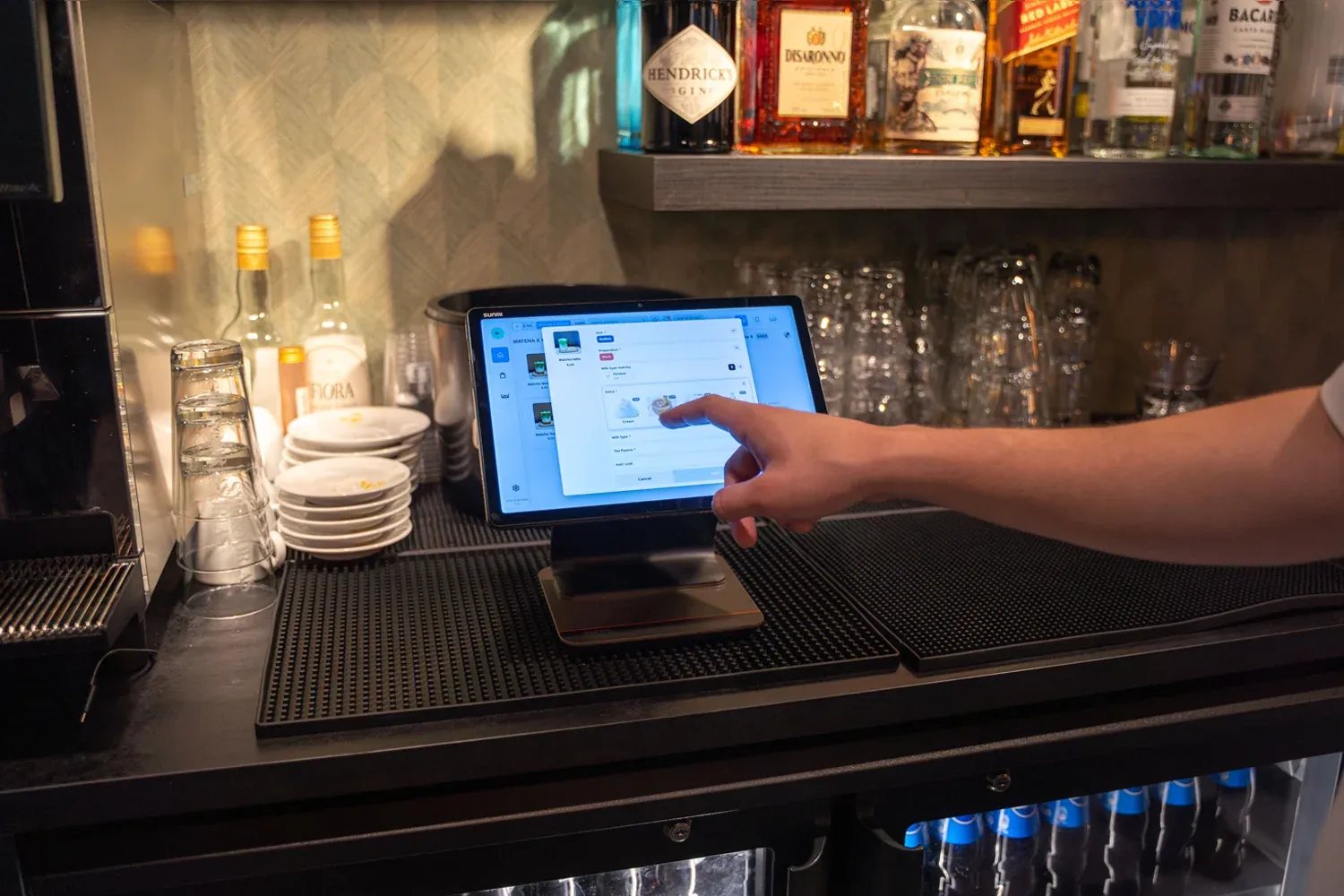
Eatcard Sense shows revenue and best sellers for each location in one place, because every order runs through the same platform: the POS, QR ordering, kiosks, handhelds and your takeaway webshop. Compare channels to see whether a dish sells at the table but not online, and check your average spend to see whether new pairings work. Put these figures next to your own cost per dish, and you have the basis for your menu decisions.
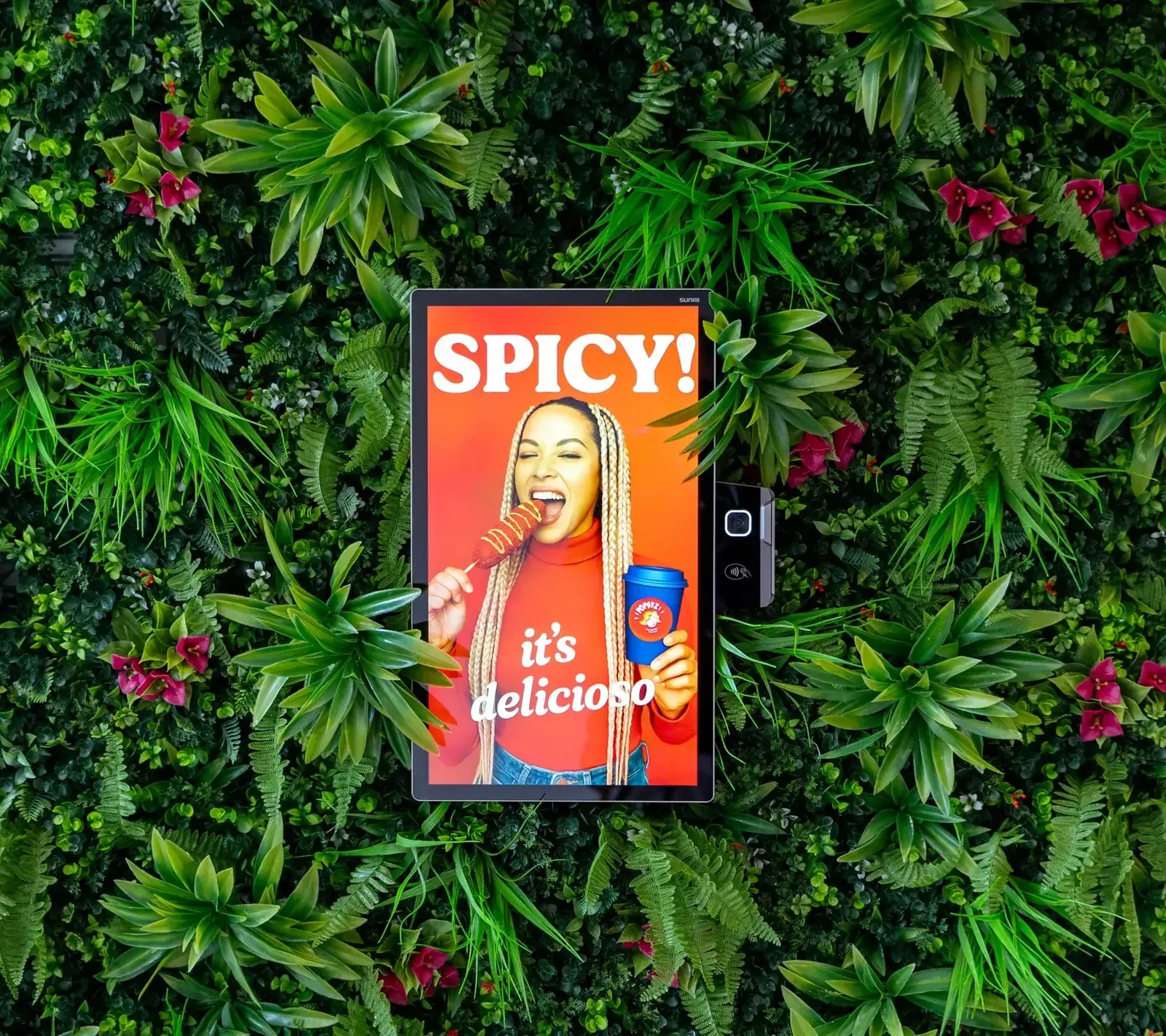
Let your photos do the selling
Guests choose with their eyes first. A dish with a clear photo is ordered more readily than a line of text, which is how a puzzle on your menu can become a star.
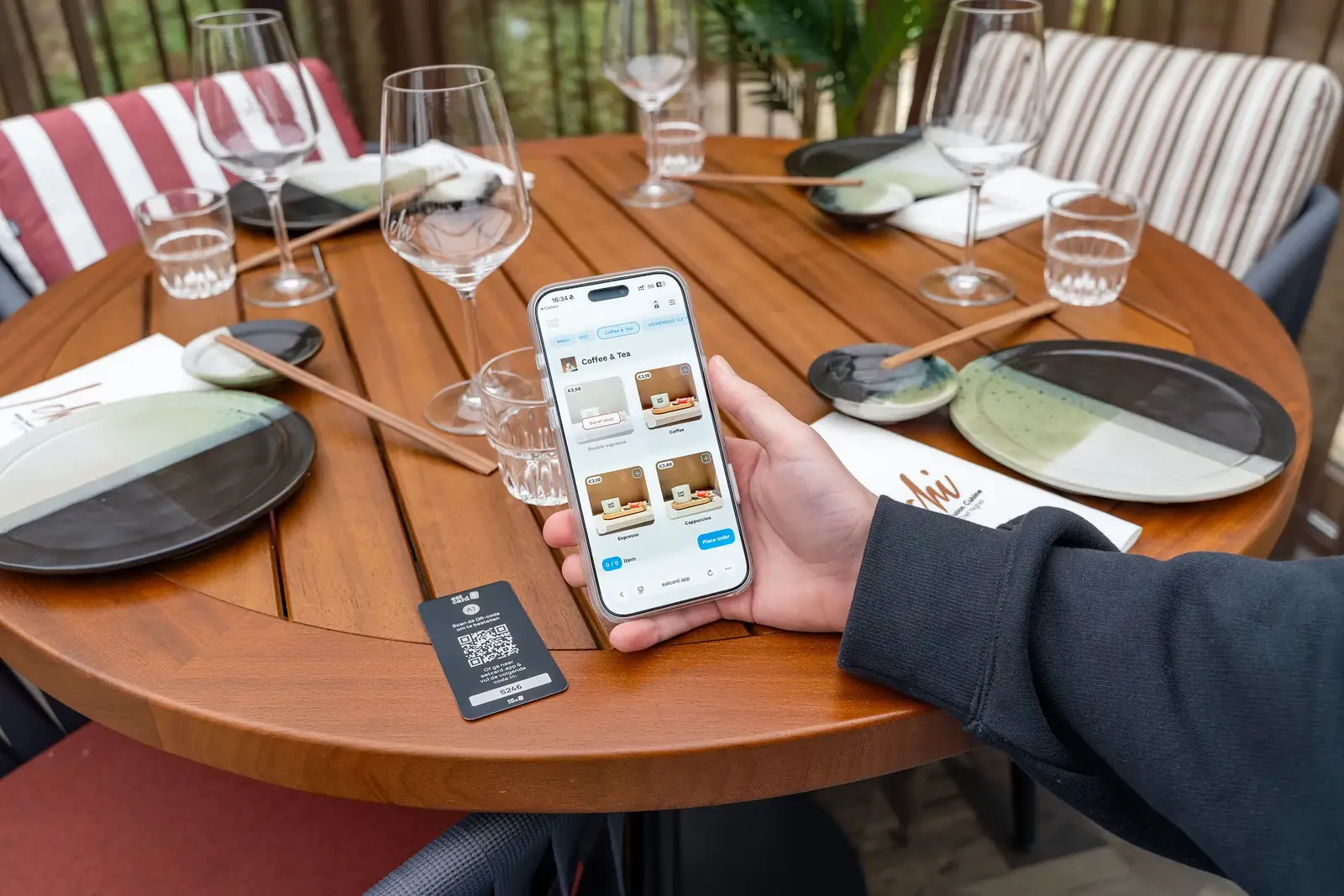
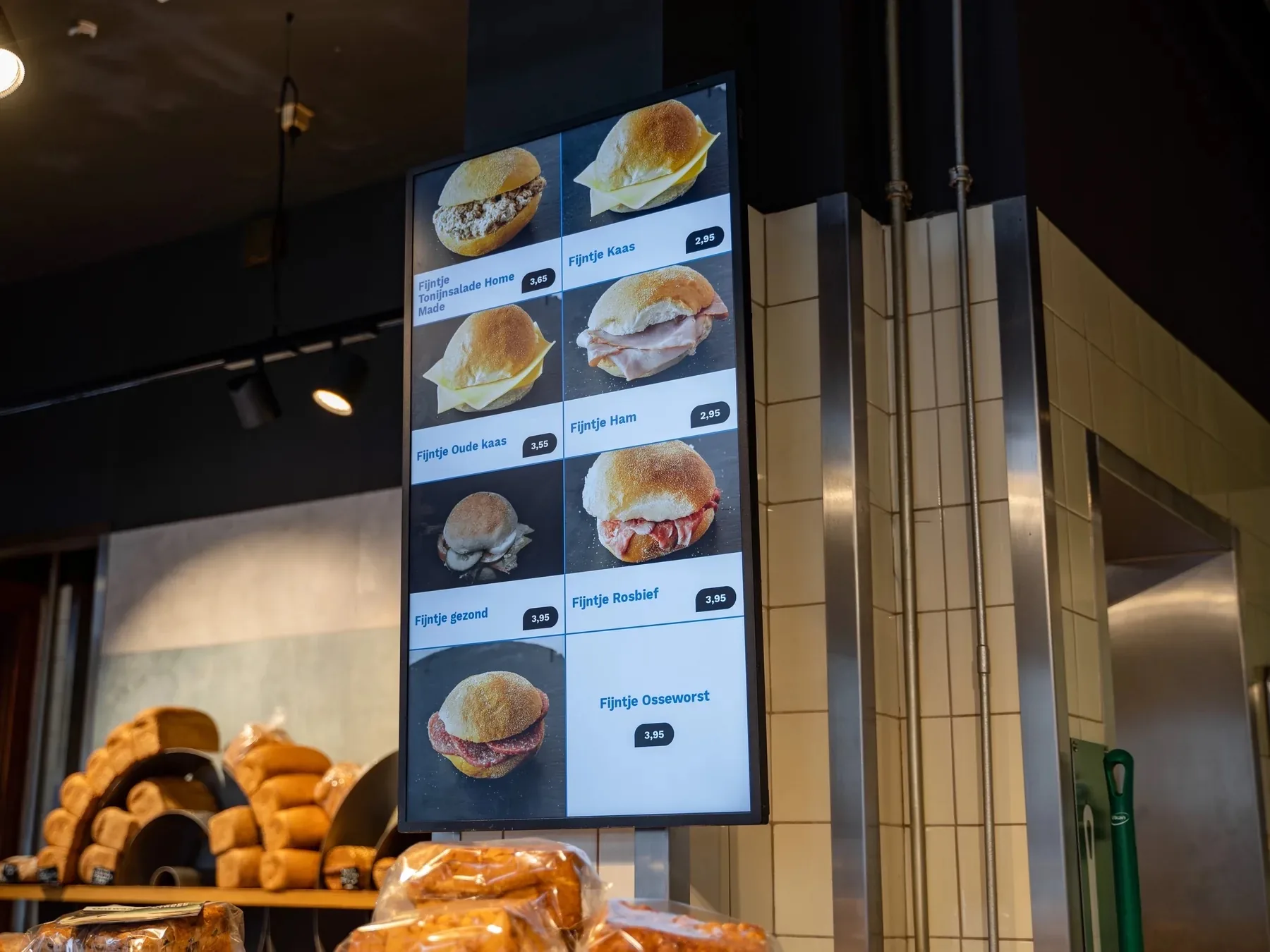
On a digital menu board, photos help your best dishes stand out to everyone in the queue. On QR ordering, guests browse the menu on their own phone, with photos and descriptions. On a self-order kiosk, a good photo of a dessert catches the eye at the moment of choice. Start with photos of your stars and your puzzles, and pair each with a short description that makes guests hungry.
Change it once, live everywhere
The best analysis is worth little if changes take days to reach your guests. With Eatcard you update the menu once, and the change shows on your POS, handhelds, QR ordering, self-order kiosks, takeaway webshop and digital menu boards.
That covers more than prices. Rename a dish, add a new photo to a star, or change a description, and every channel shows it at the same time. No entering the same change in several systems, and no screen showing last month’s menu.
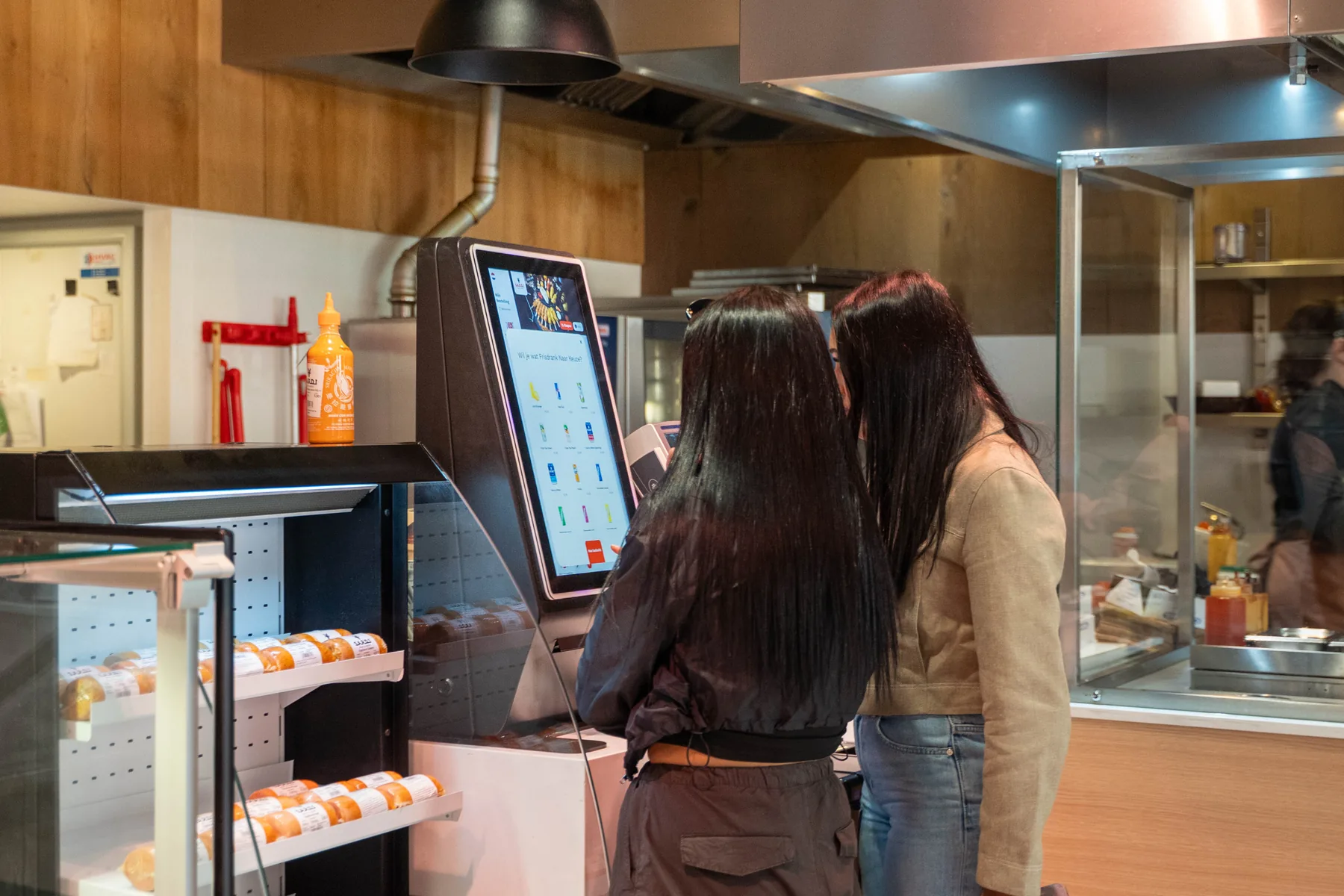 Self-Order KioskOrder and pay at the counterExplore the kiosk →
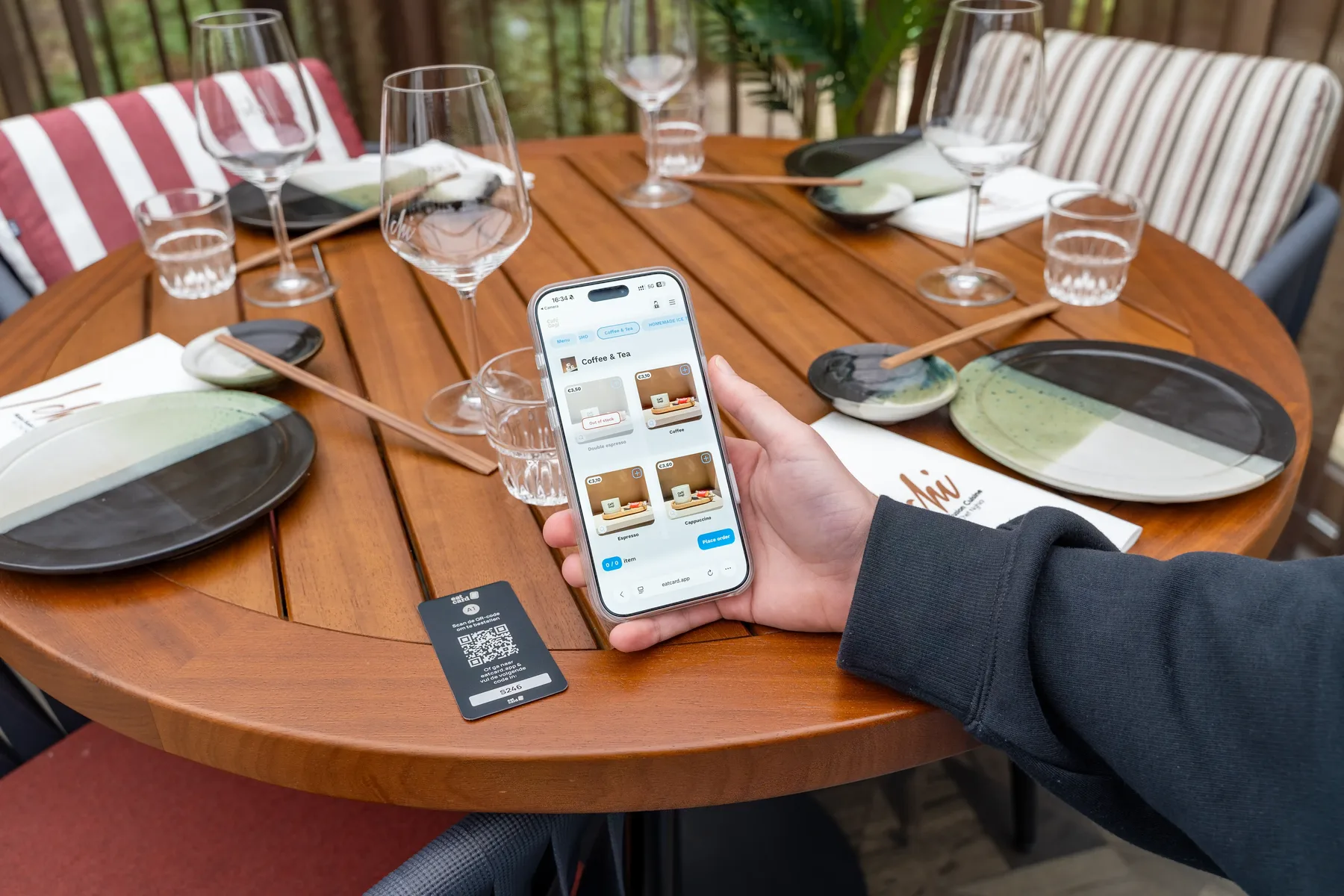 QR Table OrderingOrder from the table, no appSee QR ordering →
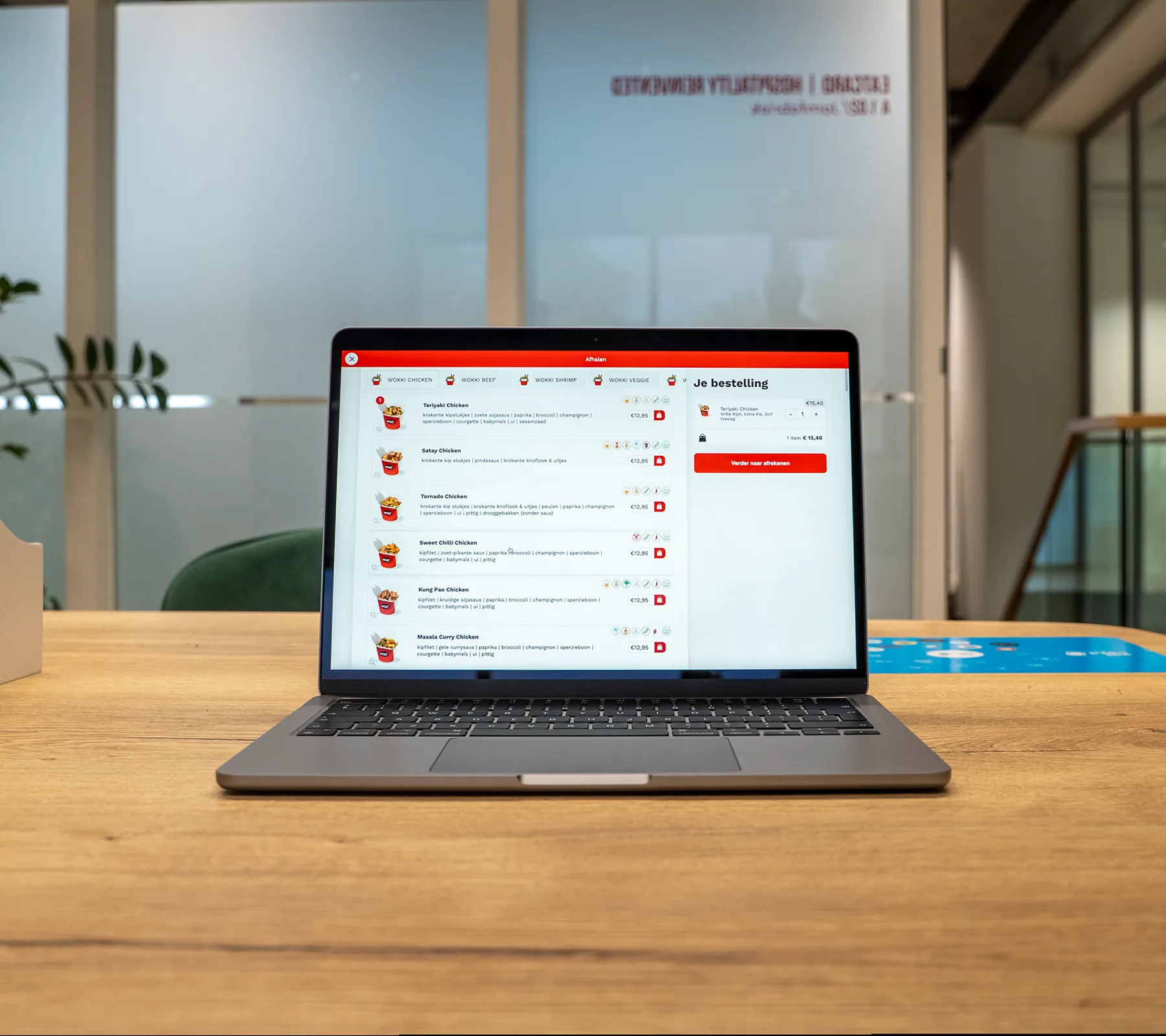 Takeaway WebshopYour own online ordering siteSee the webshop →
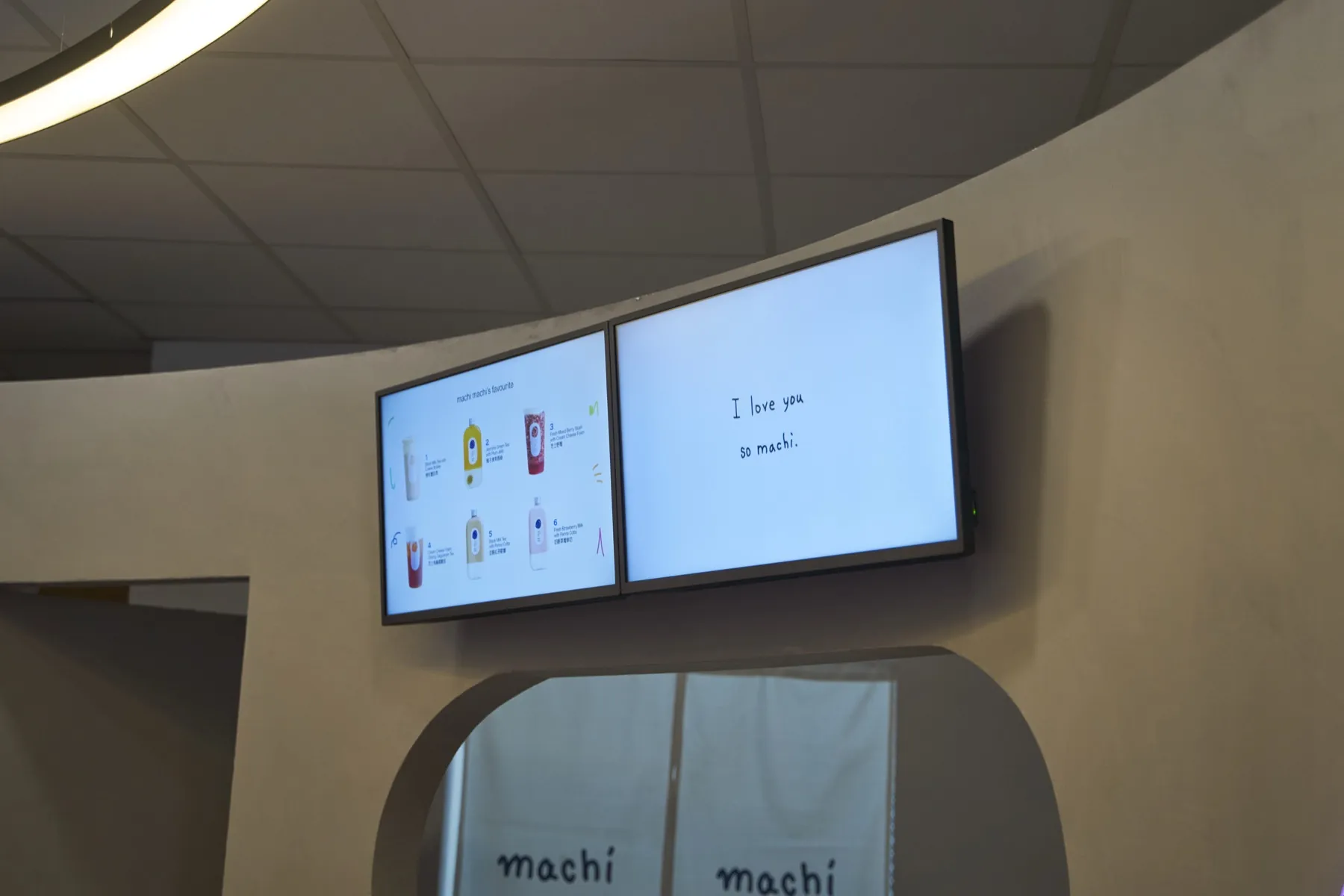 Digital Menu DisplayMenu boards that updateSee menu boards →
Making menu engineering a habit
When your data and your menu live in one place, menu engineering becomes a routine instead of a yearly project. Check your best and worst sellers every quarter, and whenever you launch a seasonal menu. Make the changes, update the photos where needed, and compare the numbers a few weeks later in Eatcard Sense.
Curious how this would work for your concept? Book a demo and we will go through your menu together.